ICAO Data Structure for Barcodes (IDB)

A Global Standard for Convenient, Secure, and Interoperable Digital Identity Credentials

The ICAO Data Structure for Barcodes (IDB) is a secure digital identity credential that enables fast and reliable issuance and verification. Designed for global interoperability, IDB harmonizes how personal information of the credential holder is encoded in cryptographically secured 2D barcode format so that it can be consistently read and verified, across borders and jurisdictions.

Digital Identity Protection and Verification with the ICAO Data Structure for Barcodes

As governments, organizations and enterprises are expanding the creation and use of digital identity credentials, the IDB maximizes convenience, interoperability, and security.

The International Civil Aviation Organization (ICAO) is responsible for setting global standards in international air travel. As such, it defines mandatory specifications and optional guidance for trustworthy, interoperable credentials – both physical and digital.

In the physical realm, ICAO Doc 9303 sets technical and visual requirements for electronic machine-readable travel documents (eMRTDs) such as electronic passports. Equipped with NFC chips, e-Passports remain the most sophisticated physical document and root of trust for establishing identities. They already represent a step towards digitization, as they are cryptographically secured and can be verified by way of their chip.

In the digital sphere, the ICAO Data Structure for Barcodes is designed as a convenient, secure and interoperable digital credentials. With IDB, ICAO outlines a definitive standardized data structure for 2D barcodes that supports on- and offline verification and is built for modern identity and travel workflows.

IDB Elements Improve Identity Credentials

IDB elements are designed to improve physical documents and barcode-based digital approaches:

  • Physical document handling: Credentials can be worn, damaged or poorly presented. Manual visual inspection and data entry are slow and error-prone.
  • NFC issuance process and capabilities: IDB saves valuable time upon issuance and is much easier to personalize than a chip. It also avoids the need for NFC-capable readers and consistent operating procedures, which is especially helpful for remote or high-throughput locations.
  • Chip readability: Chip readings may fail due to defects or non-ICAO-compliant data encoding, leading to unsuccessful inspections of credentials and operational delays.
  • VDS technicalities: Standard VDS elements typically support only a single document type, i.e. data structure, per code. They also cannot store an image of the holder, making them unsuitable for direct visual comparison between a stored reference and the actual person or a live-captured image. While our VDS Bio offers a solution for the latter issue, the capacity and other limitations remain.

IDB elements address these points with robust verifiability and reliability. They are highly flexible and offer a greater storage capacity, including the ability to include a facial image of their holder. As such, they provide digital trust at levels of protection and sophistication comparable to those of physical identity credentials.

Features and Advantages of IDB

The ICAO Data Structure for Barcodes is a digital identity credential designed to make identity checks convenient, interoperable and secure. IBD elements empower governments, authorities and organizations alike with easily issued and verifiable digital trust, without requiring specialized hardware or issuance infrastructure. They speed up verification, reduce fragmentation, and increase reliability.


ICAO Data Structure for Barcodes (IDB)
Interoperable across borders and jurisdictions – IDB elements are standardized 2D barcodes that readers and systems across borders can consistently verify. This eliminates the proliferation of isolated national or local solutions and supports consistent identity checks.
ICAO Data Structure for Barcodes (IDB)
Easily issued and scalable – IDB elements can easily be issued and deployed without any specialized personalization equipment, and can be used entirely digitally. Their standardization allows for efficient scaling across verification sites, organizations, or countries.
ICAO Data Structure for Barcodes (IDB)
Fast and reliable identity verification – IDB elements permit rapid, automated identity verification, both on- and offline via your individual app solution or any official verification app. No network connectivity is required, enabling checks anytime and anywhere.
ICAO Data Structure for Barcodes (IDB)
Strong security through cryptography and biometrics – IDB elements are securely encrypted, entailing integrity and authenticity checks. As they can include a facial image of their holder, they support comparisons between the credential and the person presenting it.

Issuing and Verifying an IDB

ICAO’s IDB solution directly responds to the need for highly secure and interoperable digital identity credentials. IDB elements combine convenience, interoperability and security, offering highest levels of digital trust. They are very easily and efficiently issued and do not necessitate specialized equipment or issuance processes.

1. On a dedicated IDB application or website, enter the personal data and take a photograph of the designated holder.

2. The application creates a secure Data Matrix code that includes all personal data and the facial image of the holder, and asymmetrically encrypts it with your private key.

3. The IDB can be digitally issued and transmitted to the holder, or printed on a physical document.
Identity Verification with IDB

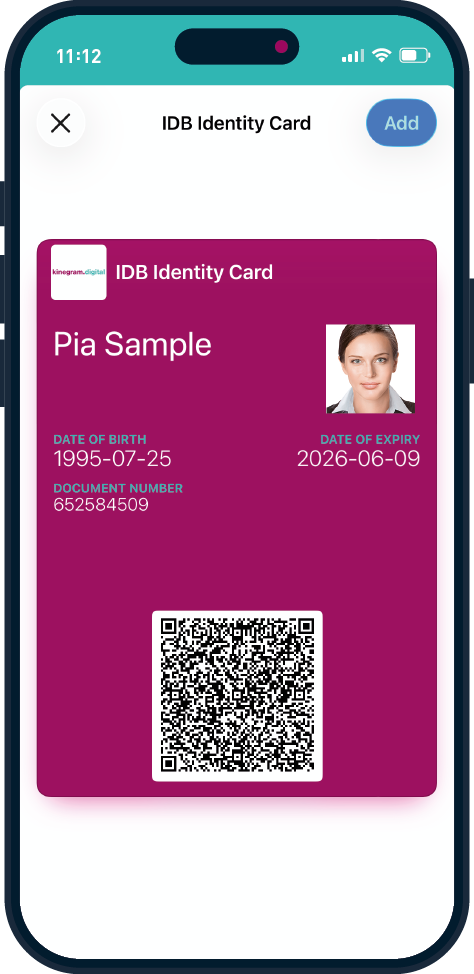
Image of a phone screen displaying a digital identity credential including an ICAO data structure for barcodes (IDB) code

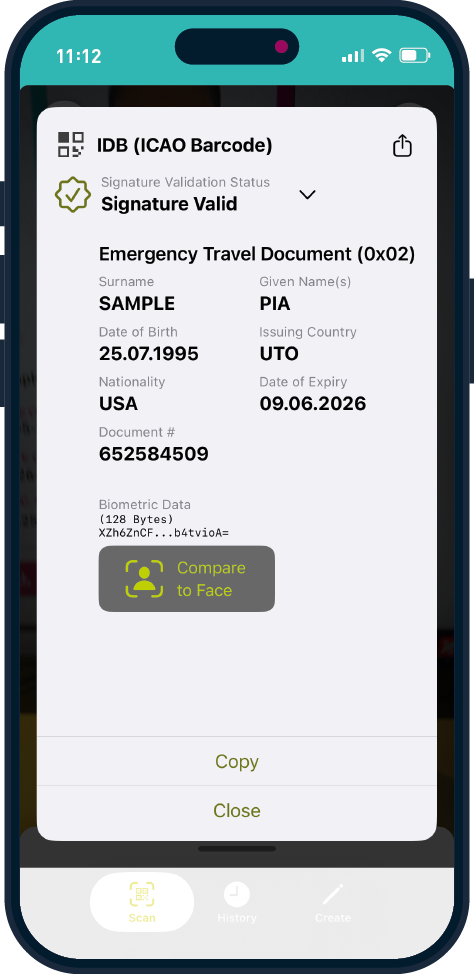
Scan the IDB code with the corresponding app

Image of the results after the IDB was scanned, displaying the credential holder’s personal data

Compare the personal data and click the biometry data button

Illustration of taking a picture of the IDB credential holder

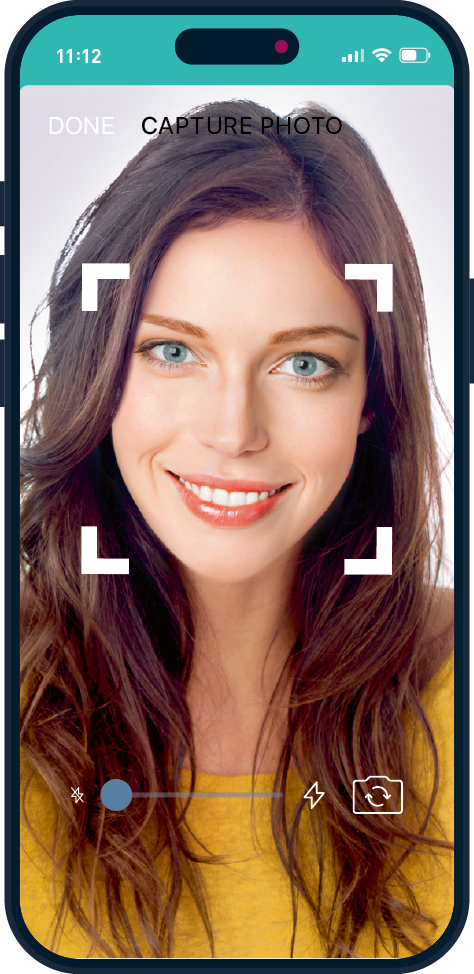
Take a live picture of the ID holder

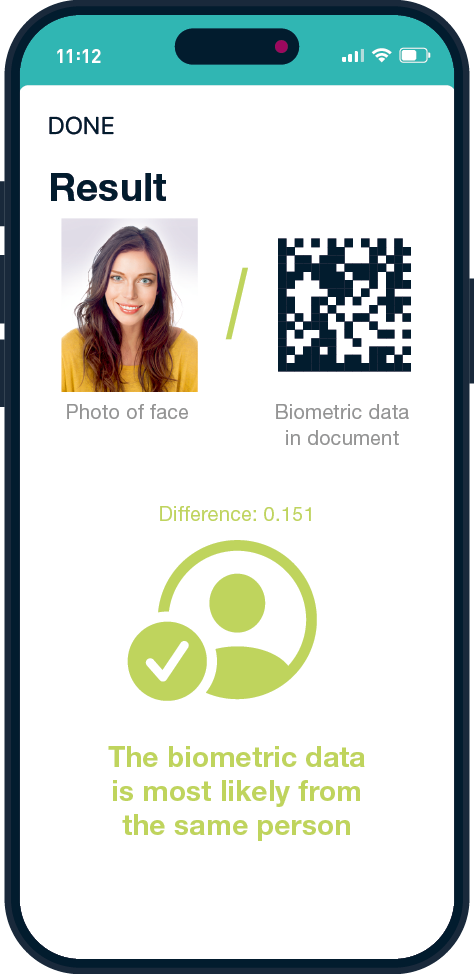
Illustration of image comparison results between the IDB stored image and the taken photograph

Compare the result

  • Scan the IDB code with the corresponding app

  • Compare the personal data and click the biometry data button

  • Take a live picture of the ID holder

  • Compare the result

Technicalities of IDB Elements

IDB elements are a globally interoperable and highly secure solution to digitally protect and verify identities. They offer:
  • asymmetric encryption, including biographic and biometric information of the document holder
  • global interoperability and full compatibility with ICAO standards
  • standardized verification across jurisdictions through individual check apps or government- or NGO-provided apps
  • seamless integration into existing document layouts and issuance workflows without specialized hardware or other requirements
  • greater flexibility than VDS codes in terms of content, including the possibilities to include or omit a signer certificate and to combine different data structures
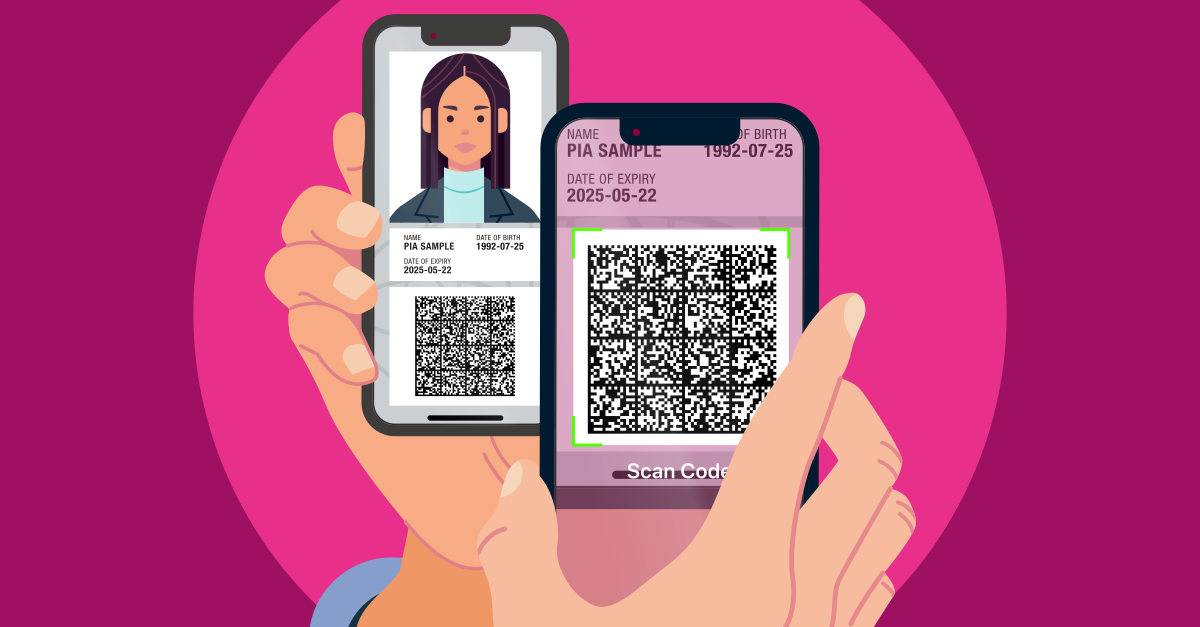
Cartoon-style illustration of scanning an ICAO Data Structure for Barcodes (IDB) code with a mobile phone to verify the code holder’s identity.

Experience the IDB in your own environment!

Contact us today to request our demo toolkit and try the solution yourself. Get in touch with our experts to discuss your IDB questions and to receive more information.

    First Name

    Last Name

    Company

    Position

    E-Mail *

    Phone

    Message *

    *

    I agree that my data from the contact form will be collected to answer my request and for marketing and sales purposes. You can find more information in our privacy policy.

    See how the IDB solution can be integrated into your existing IT landscape. We look forward to hearing from you!

    Contact

      First Name

      Last Name

      Company

      Position

      E-Mail *

      Phone

      Message *

      *

      I agree that my data from the contact form will be collected to answer my request and for marketing and sales purposes. You can find more information in our privacy policy.