Overview of Identity Proofing and its Role in KYC processes
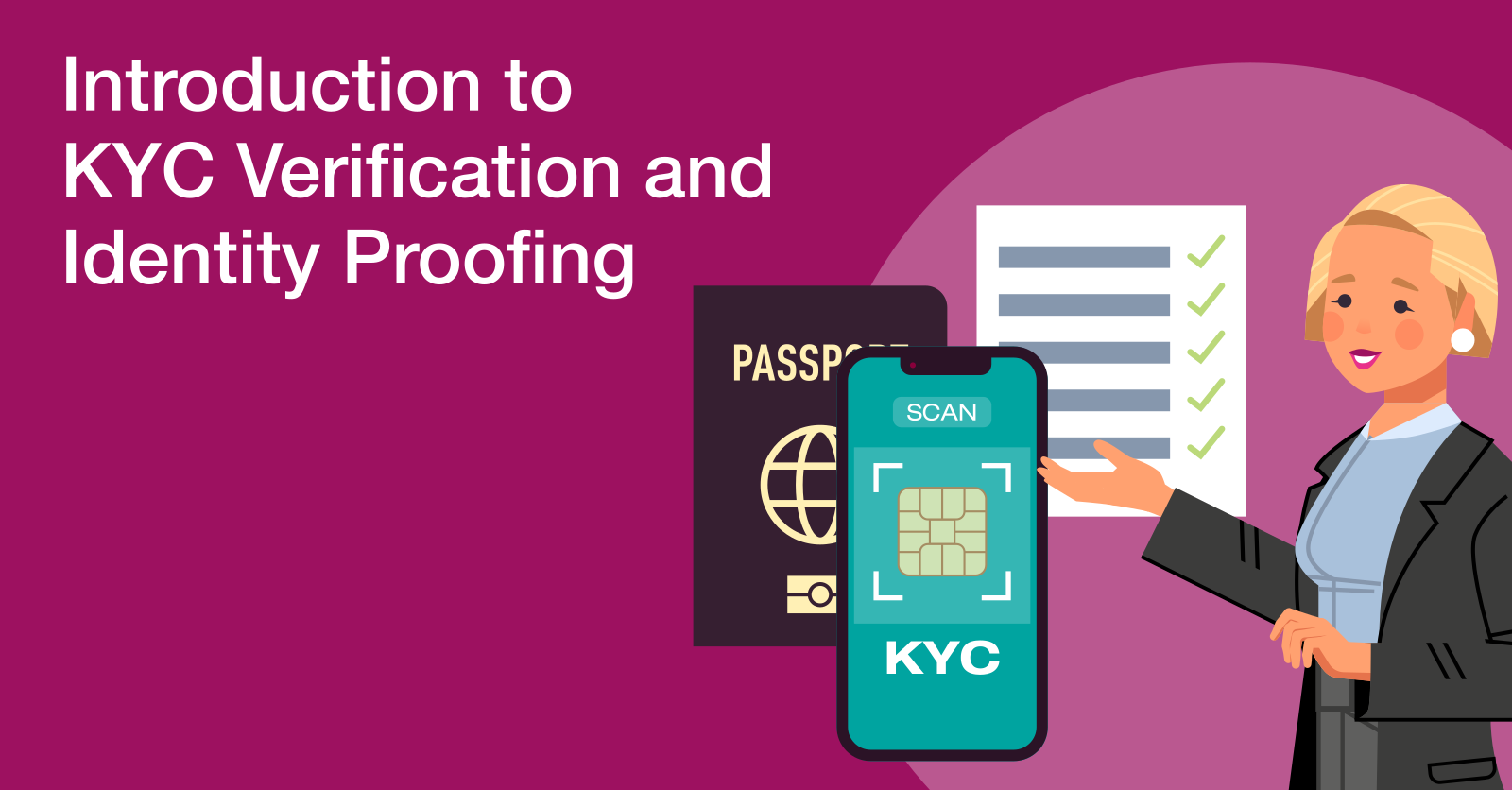
Identity proofing is the process of validating a person’s identity during the KYC verification. It involves confirming that the individual is who they claim to be, typically through the submission of documents, biometric data, or other verification methods.
There are two main stages of identity proofing
Identity Verification: This involves checking government-issued identification documents, such as a passport, or national ID.
Authentication: This step ensures that the verified individual is the same person trying to access the service, often by using methods such as multi-factor authentication, facial recognition, or digital signatures.
Identity proofing is integral to the KYC process because it mitigates the risks of identity fraud, cybercrime, and financial misrepresentation. By validating the customer’s identity before providing access to services, businesses can avoid costly regulatory penalties and reduce operational risks.